
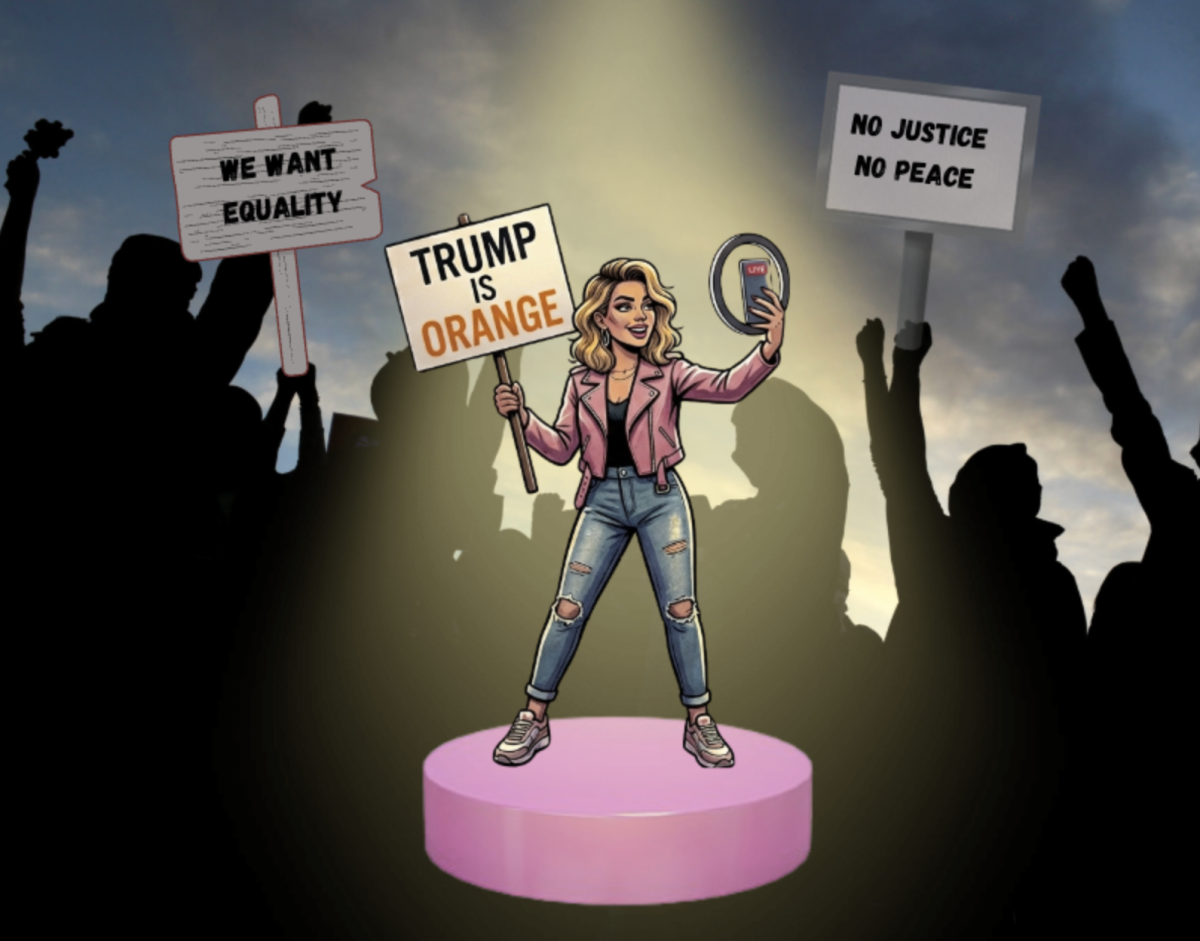
Protests are meant to draw attention—but not all attention is equal.
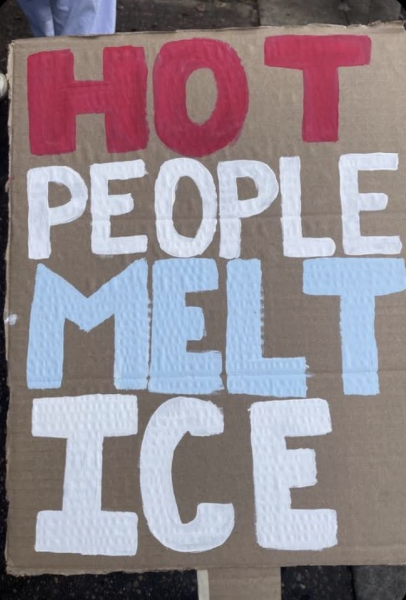
When protest signs contain substance, they not only strengthen a protester’s argument but also demonstrate their seriousness to correct an issue.
However, when the sign becomes more about the relevance of the person holding it, the protest loses purpose.
Since the 2020s, protest culture has increasingly started to coincide with pop culture. This is attributed to social media, which has encouraged creators to do unbelievable things for content and leverage.
This behavior has spread to the streets, with influencers now seeking the perfect sign and message that will make them stand out amongst the crowd.
In reality, these performances detract from a protest’s purpose—to draw attention to injustice.
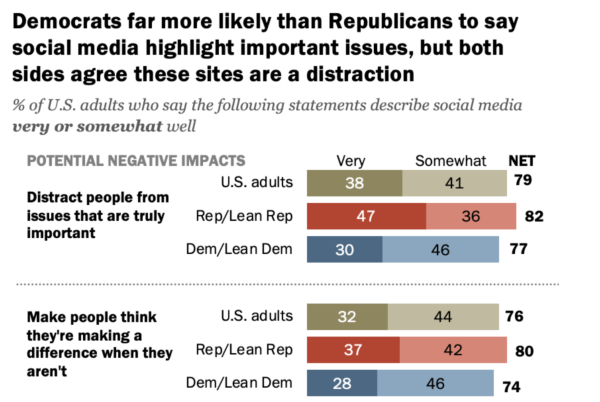
According to a study conducted by Pew Research, 79% of adults believe that social media distracts from issues that are truly important.
It drowns out the voices of the average American by making the influencer the focal point instead of those striving for a better future.
Nevertheless, Pew Research identified that 77% of adults believe social media can create sustained social movements. Even though social media can help echo conversations of injustice, influencers can still act in their own self-interest by capitalizing on these moments.
Protest signs are meant to visualize one’s anger and dissatisfaction with a person or system; however, this transition to a performative world of protesting may be one factor contributing to a greater number of unsuccessful protests.
During the Black Lives Matter movement in 2020, influencer Madison Beer went viral for the staged photos of her standing on top of her Range Rover holding a sign that read “No Freedom ‘Til We’re Equal.”
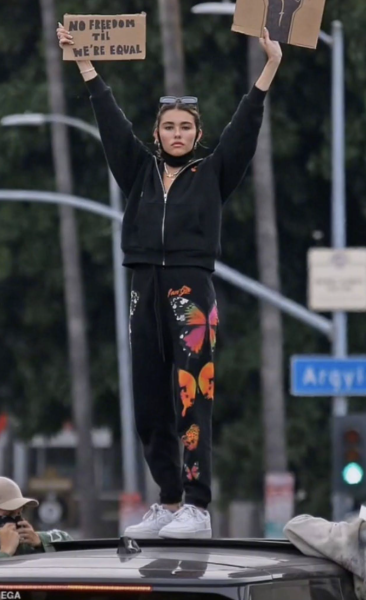
By doing so, she was able to rally a group of reporters who immediately started taking pictures of her, drawing attention away from a grieving African-American community.
Mike Metzler, a digital marketing manager, described these actions exhibited by influencers as “influencer optimism.”
“This becomes a habit and a way of life for many influencers. But the truth is, not everything needs to be content, and there are certain situations where you really need to pause and read the room,” said Metzler.
In March, “No Kings Day” assembled 8 million Americans and gained a lot of attention through social media. Despite being the largest single-day protest in American history, it was not successful in bringing tangible change.
They were visible.
They were heard.
However, influencers chose to use their attention selfishly, diminishing the efforts supporters of the movement made.
Although “No Kings Day” was successful in rallying supporters, the protest came to resemble a sign competition rather than a unified group seeking change because of the way influencers portrayed it.
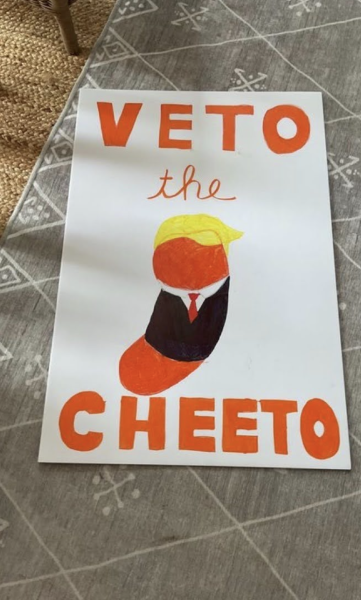
Instead of creating signs that carried messages of meaning, they displayed visuals that merely poked fun at Donald Trump’s identity—not policies.
In the end, the influencers profited from these performances, shifting focus away from the American people and their values.
The time of influencers impeding on the pursuit of happiness among Americans can solely be attributed to the struggle of modern-day protests to achieve change.
In an era where attention can shape an entire narrative, be the one who stands up for meaningful change, not just exposure.





Libby W • Apr 28, 2026 at 10:51 am
AMAZING article, Rex! Great job!