In Cambridge, Massachusetts, on September 8th, 1636, the first higher education institution was established: Harvard University. It began as a small, hastily constructed, wooden house, but soon flourished into its iconic red brick colonial campus.
Many institutions soon followed suit. Establishments like Yale, UPenn, and Princeton opened their doors to the public.
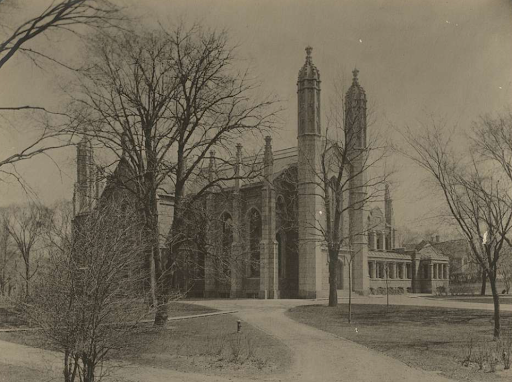
These universities pride themselves on their academic excellence. Besides all being ivies, one thing these institutions all have in common is the collegiate-gothic architecture style of their campuses.
Collegiate-gothic architecture is an American and Canadian architectural style derived from Gothic Revival, and it is meant to evoke academic prestige, tradition, and longevity. Therefore, it is no surprise that almost all of the top universities around the globe implement either a Gothic, Victorian, or Romanesque style into their campuses.
With this style being such a prevalent trend in all of these prestigious universities, at times, it feels like the caliber of these universities is based on the style of their campuses.
However, some institutions have begun to shy away from the collegiate-gothic style, and have instead embraced modern architecture trends. For instance, the Massachusetts Institute of Technology prides itself on its unique and innovative campus. The institution seamlessly blends its historic neoclassic buildings with 20th/21st-century structures that capture the university’s innovative and intense academics.
Moreover, universities like Carnegie Mellon, Stanford, and even ASU have begun implementing a more modern style of architecture.
Modernism within a campus does not just mean a change in its outer appearance. These campuses have begun to exemplify modernity through technology, sustainable, eco-friendly buildings, and innovative facilities, according to South Shore College.

With an ever-changing society, these institutions are forced to keep up with modern-day advancements. This now introduces a new question: in modern-day times, what elements within an institution allow it to be considered as prestigious?
The Ivies all pride themselves on their tradition of academic excellence. But with the rise and expansion of new technology and learning techniques, perhaps these traditions are growing obsolete.
With increasing advancements in AI, the education system and how it is shaped will undoubtedly look different from what it does today in the upcoming years. Will prestige be based upon the upholding of academic tradition, or modernity/change in a constantly evolving learning environment?