
A Susceptibility to Self-Censorship


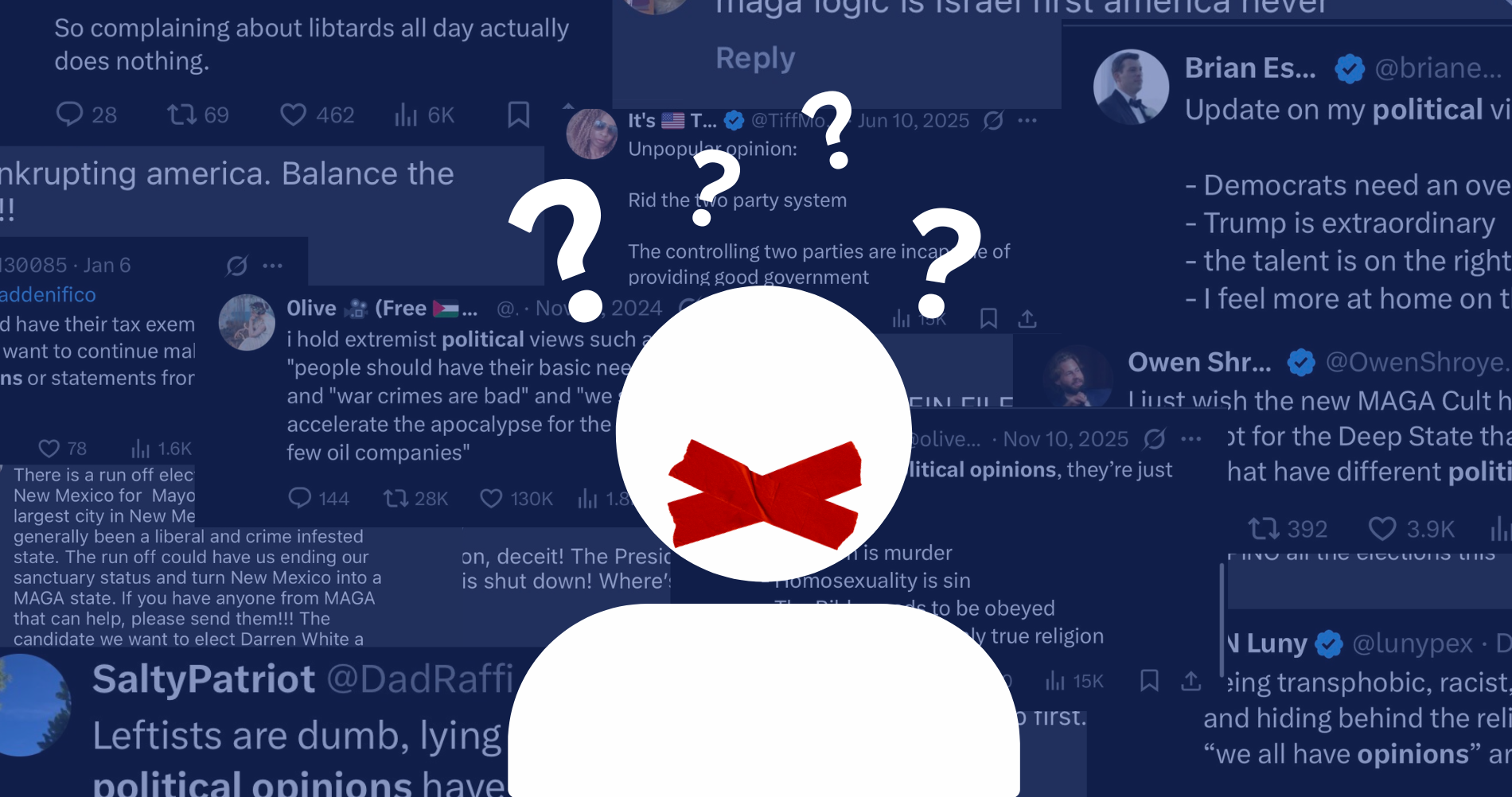
The frequent use of online platforms, combined with the intensifying polarization of the US, leads to a dilemma: posting on social media is an accessible, easy way for students to express their opinions but can also lead to extreme backlash.
89.2% of the 120 LFHS students surveyed believe polarization is definitely or somewhat making society less willing to engage in honest conversations in person.
“I feel like because of tribalism, where you are attached to your candidate’s brand and likeness, it’s very hard to detach yourself from that person and talk to anyone who disagrees,” said freshman Mason Pickett.
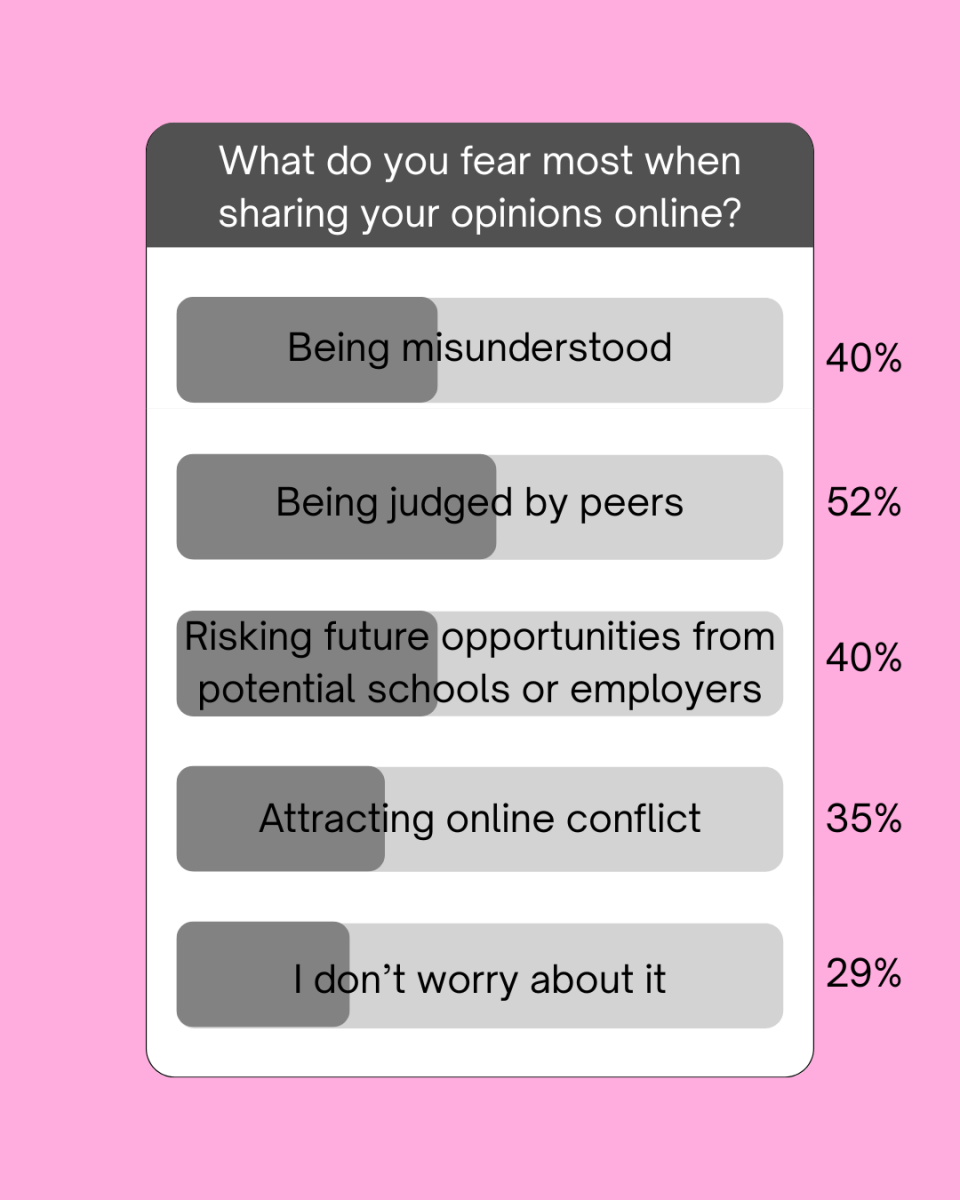
Despite the lack of conversations happening in person, 71% of students also fear the consequences of posting about their beliefs online. Among these students with concerns, 74% of them attribute their worry to the potential judgment they will face from their peers.
“With the Trump administration, there has been a lot of demonizing of those who agree with certain right wing philosophies online. I have faced something like that,” said an LFHS student who would like to remain anonymous.
Other frequent fears include risking future opportunities from potential schools or employers, being misunderstood, or attracting online conflict. While many students worry about these outcomes, some are also upset that they have to be concerned in the first place.
“The way that employers and academic institutions penalize political opinions–specifically opinions that are not hateful, violent, or dangerous–is a form of censorship,” said senior Andrew Ter Louw.
While the local community appears severely divided, only 15.8% of students surveyed stated they would judge another person negatively for posting an opinion they disagreed with online.
“When I see a post supporting Trump or ICE–which I don’t support–I want to understand why they believe that. Unfortunately, I feel like I do judge their character off that, even though I recognize that it is unfair,” an LFHS student who would like to remain anonymous said.
28.3% of students admitted that they would like to understand the poster’s perspective. A majority of 50.8% students, though, said they would disagree but ignore the post.
“Too many people are set in their ways. They need to be open to new ideas, even if it challenges their current perspective,” said an LFHS student who would like to remain anonymous.
Many students attribute the current political climate as a main reason for their fears: 70.8% of students said that they believe that the world is more polarized today than it was five years ago. Because the survey did not define polarization, respondents interpreted it differently, resulting in varied opinions of how the country is divided.
Specifically, political polarization occurs when subgroups of the population adopt progressively distinct attitudes, ideologies, and policies toward political parties as well as party members.
AP Comparative and U.S. Government teacher Mrs. Cheryl Kyrias explained how political polarization has been increasing in the U.S. since the advent of social media with Facebook in 2004 and the widespread smartphone usage starting around 2010.
“Political polarization became more prominent because people could talk about it 24/7 on devices they kept in their pockets. They could also be anonymous, and they couldn’t necessarily see who they were talking to/about online, which emboldened them to say things they wouldn’t necessarily say in person,” Mrs. Kyrias said. “Polarization and divisions in American society have been there since before the U.S. became a country, they are just much more prominent now that people can consume and participate in unverified discussions of them 24/7.”
Polarization between distinct groups of people in the U.S. has intensified dramatically since the COVID-19 pandemic in 2020, extending beyond politics into culture, media, and daily interactions.
During quarantine, people across the world were forced to use the internet to connect with others and share information. As a result of this, the majority of people’s online presence in the media heavily increased, leading more people to assert their beliefs online.
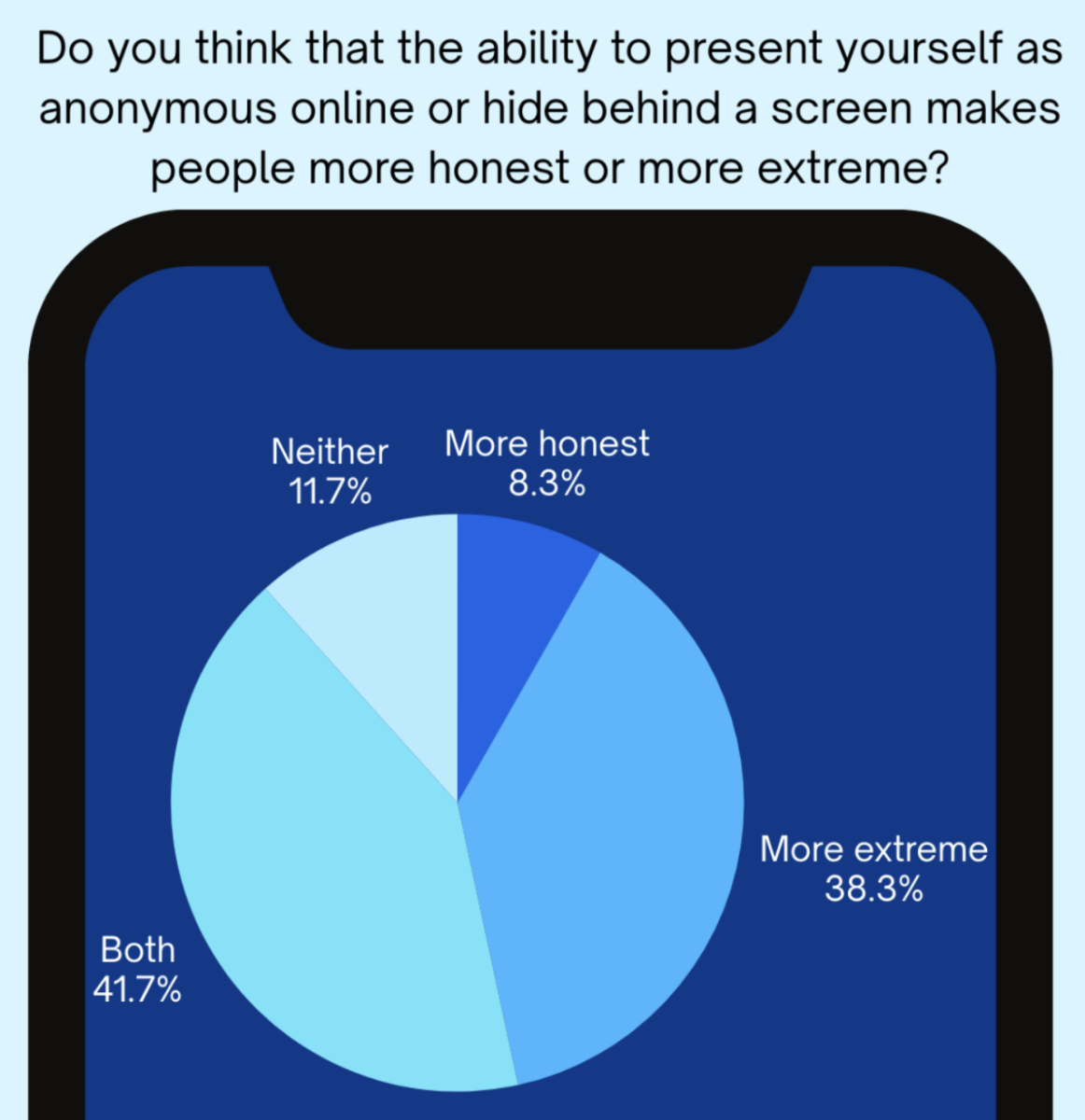
41% of the student body surveyed believe that the ability to present themselves as anonymous online or to hide behind a screen has made people both more honest and more extreme, while 38% of students think that it simply makes people more extreme.
A few students have come to the conclusion that any broad opinion can be made out to be political.
“I think the increased polarization prevents both sides from having honest discussions and asking questions, and I think certain issues that aren’t very political–such as aspects of identity–have been made political and are now perceived as political,” said an LFHS student who would like to remain anonymous.
As a result of polarization and the potential consequences of sharing their thoughts, many students have begun to self-censor the content they post online. 57.3% of students surveyed admitted that they definitely or somewhat avoid engaging–such as liking, commenting, or reposting–with political content online at the risk of their peers labeling them or their opinions.
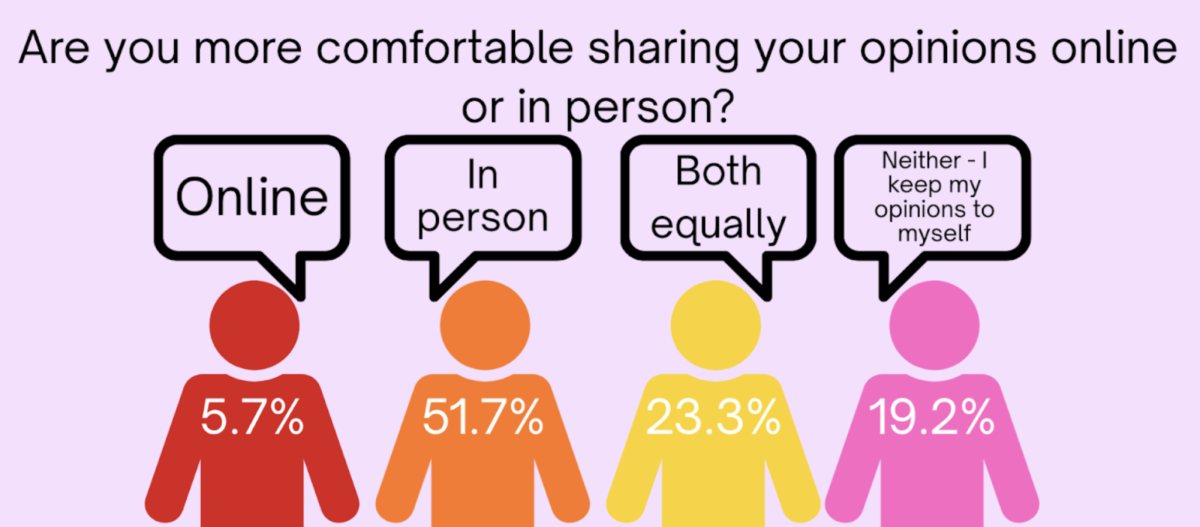
Additionally, 51% of the students surveyed claim that they are more comfortable sharing their opinions in person rather than online. They attribute the benefit of in-person discussions to the opportunity to further explain their viewpoint, rather than allow assumptions to be made without the ability to ask for clarification.
“Personally, I am more comfortable sharing my opinion and my political views in person because I can make sure that the person I’m talking to fully understands what I am trying to say,” sophomore Julia Mazya said.
Contrarily, 23% recorded that they feel equally comfortable sharing their thoughts both online and in person.
“I think if people are embarrassed or not willing to share their political opinions in person, but only anonymously online, then they should think twice about what they stand for,” said an LFHS student who would like to remain anonymous.
The remaining 19% of students surveyed expressed that they choose to keep their opinions to themselves completely. Many explained how they do not feel the need to share their views with others.
“I just find it dumb that people post political stuff on their social media,” an LFHS student who would like to remain anonymous said.
Your donation will support the student journalists of Lake Forest High School. Your contribution will allow us to purchase equipment and cover our annual website hosting costs.




Maeve Camoletto • Jan 10, 2026 at 9:16 am
Anna and Sydney—Great work. This is a very important conversation. The amount of effort and research that went into this article is evident. Way to go!
Evelyn Marshall • Jan 9, 2026 at 6:43 pm
You guys knocked this one out of the park, as per usual! Such a good read!!!!
Eliza Carrabine • Jan 9, 2026 at 11:00 am
I was so excited for your story, and it did NOT disappoint!! Amazing job girls!!!