
The snow falls, and Thanksgiving traditions are replaced by the anticipation of Christmas, quickly unraveling the true horror that has overtaken the holidays.
As a child, I woke up each Christmas morning, eager to hurry downstairs with hopes that Santa Claus had visited, an experience and tradition that has been shared amongst countless families across the world for generations.
As the years have continued, the expectations of Christmas morning have become higher, as materialism spreads, and the art of the “giving season” is simply lost.
Watching TV during the holiday season, it comes as no surprise that each Christmas ad floods the screen, each brand promoting its product, using Christmas as an advertising event and sales opportunity.
Scrolling on Instagram and TikTok, influencers utilize their platforms to link their “Holiday Gift Guides” and Christmas lists— to receive the income that is associated with certain brand deals and overall promotion that is associated with social media around the holiday season.

Many companies release Christmas-themed lines of clothing and trendy themed decorations for people to merely purchase, just because they might sell out.
“Haul” culture has skyrocketed across the media, where certain creators simply film themselves showing off their gifts, and it inclines others to go ahead and buy the same items once they see someone excited about their new item.
Black Friday used to an event where hundreds line up in the early hours of the Friday after Thanksgiving to score the best deal on a new item for a family member—yet now—it is a week long online shopping fest, where many spend hours tapping away, creating shopping carts for themselves, purchasing items that they would have never bought if it were not on sale.
Black Friday and Cyber Monday sales promote a culture of overconsumption, feeding into wants and desires. These online sales amongst large brands— advertised through social media—can span over a week, with certain brands offering early access to their most frequent customers.
This causes customers to make questionable purchases, just because the item is discounted or because it is in low stock and may sell out. Due to items being so easily available to purchase, through just a few short clicks once promoted on social media, customers may experience buyer’s remorse or regret behind financial decisions.
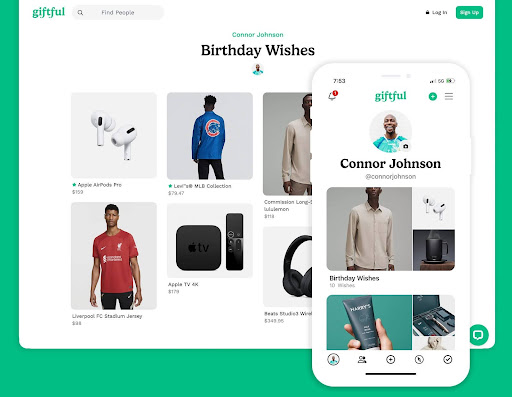
From once being surrounded by my classmates and I drawing up our Christmas lists on a pad of paper, circling toys in catalogs, and simply writing out “new Barbie!” or “American Girl doll,” to now seeing entirely formatted slide presentations or Giftful accounts, where each item is linked to exactly the size, color, etc. of the desired item—creating a competitive environment where everyone needs to have everything on their list.
The post-Thanksgiving sales are what drive materialism, as buyers purchase items for themselves rather than using the opportunity to shop for gifts for others.
The overall commercialism of Christmas has drastically increased over the past few years, as the media has truly blown out of proportion “gift giving” on Christmas. This year, let’s take a step back and choose meaningful gifts we can give to others, rather than falling into the rise of materialism surrounding the holiday season to fulfill our immediate desires.


